

Toronto & GTA · Since 2014
Residential and commercial construction, built by one team.
Renovations, additions, custom homes and commercial fit-outs across Toronto and the GTA. Licensed in-house trades, fixed-price contracts.
About Country Renovations Inc.
Toronto's full-service home renovation contractor, building across the GTA since 2014.
More about usCountry Renovations Inc. is a trusted home renovation company in Toronto and a licensed GTA general contractor, established in 2014. We deliver full-service indoor and outdoor renovations across the Greater Toronto Area, from small upgrades to large-scale custom builds.
Why Toronto homeowners choose Country Renovations
We are a full-service general contracting company serving the entire GTA with a team of excellent and reliable tradespeople. Our Toronto renovation projects include kitchens, bathrooms, basements, second storey additions, custom homes, interlock, heated driveways, painting, electrical work and interior design, all delivered on time and on budget.
- 12+years in the GTA
- In-houselicensed trades
- Fixedprice contracts
- $5Mliability insured
Selected projects
Recent work
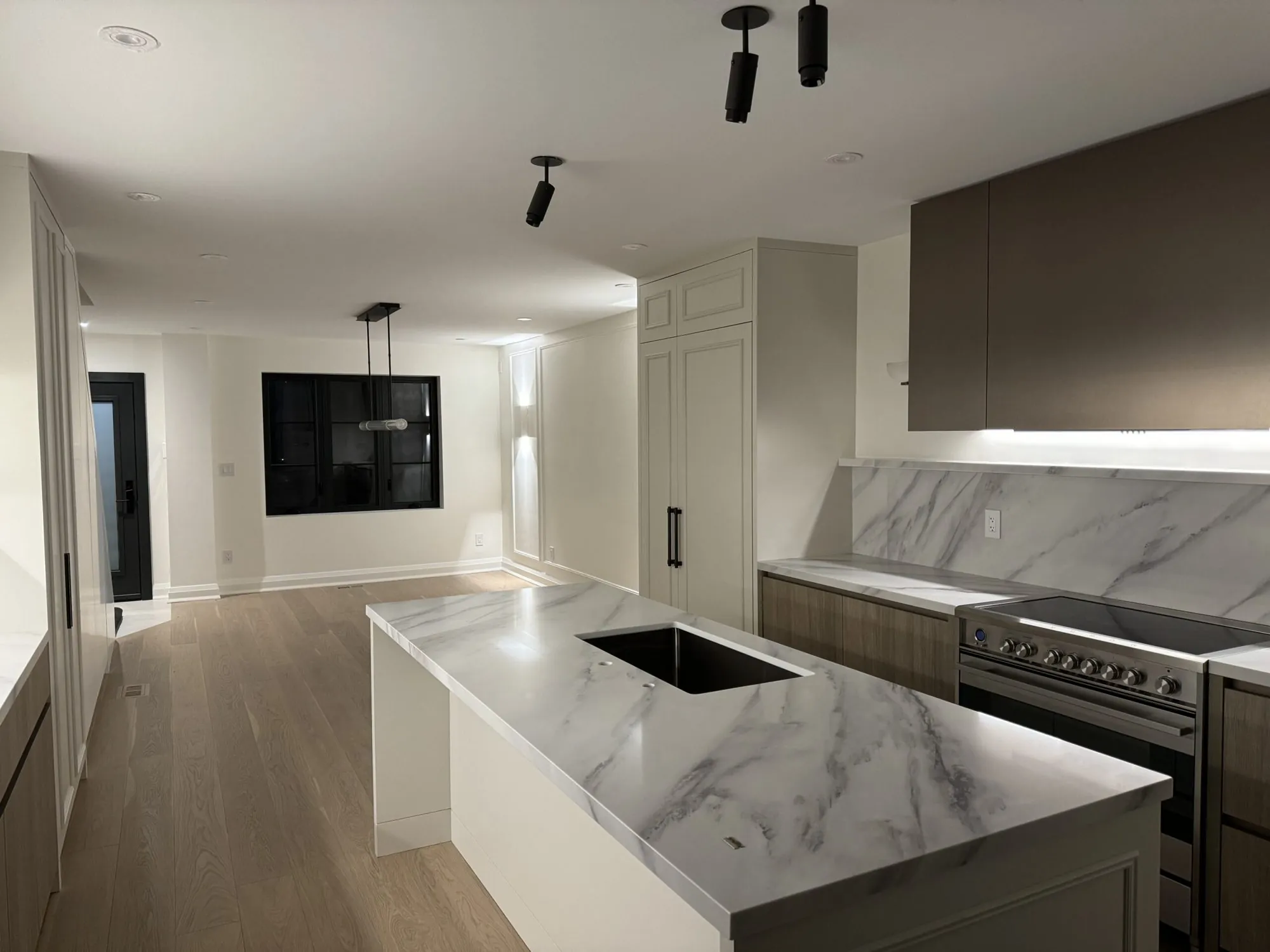 Forest Hill Residence - 2Toronto · Interior build-out, Millwork, Electrical, HVAC & Plumbing
 Upcoming - Elm Ridge Drive Kitchen RenovationForest Hill, Toronto · Kitchen Renovation
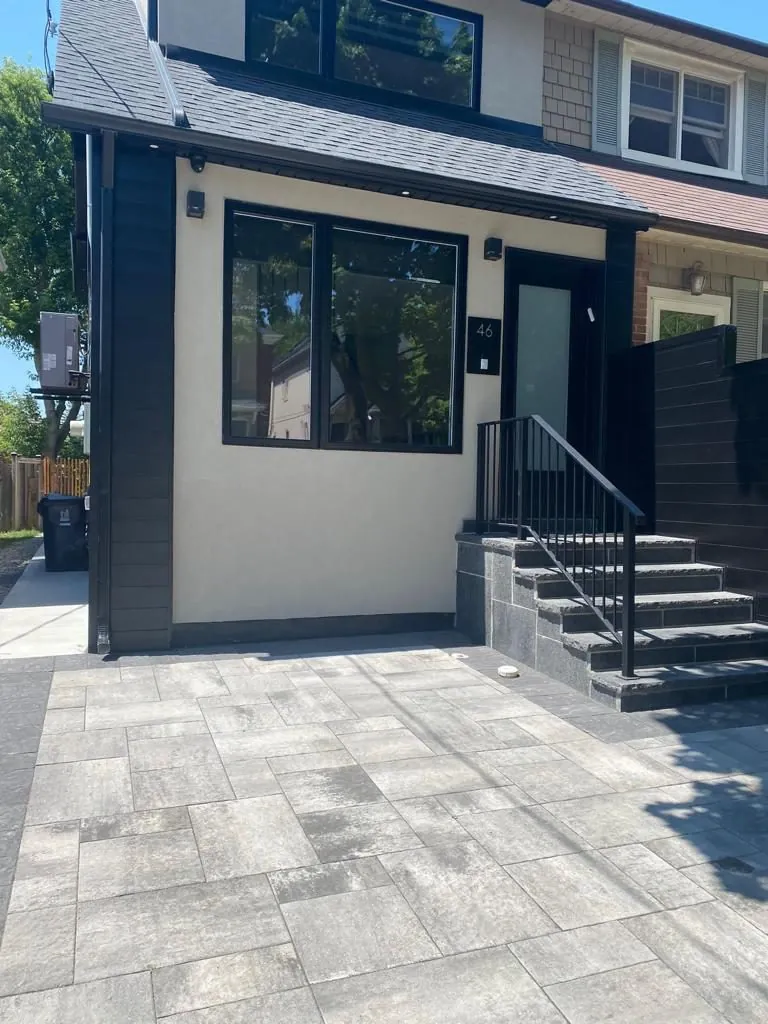 Forest Hill ResidenceForest Hill, Toronto · Interior, Exterior, interlock & pergola backyard
Upcoming - Foresthill Legal Basement UnitForest Hill, Toronto · Basement Renovation
Forest Hill ResidenceForest Hill, Toronto · Interior, Exterior, interlock & pergola backyard
Upcoming - Foresthill Legal Basement UnitForest Hill, Toronto · Basement Renovation
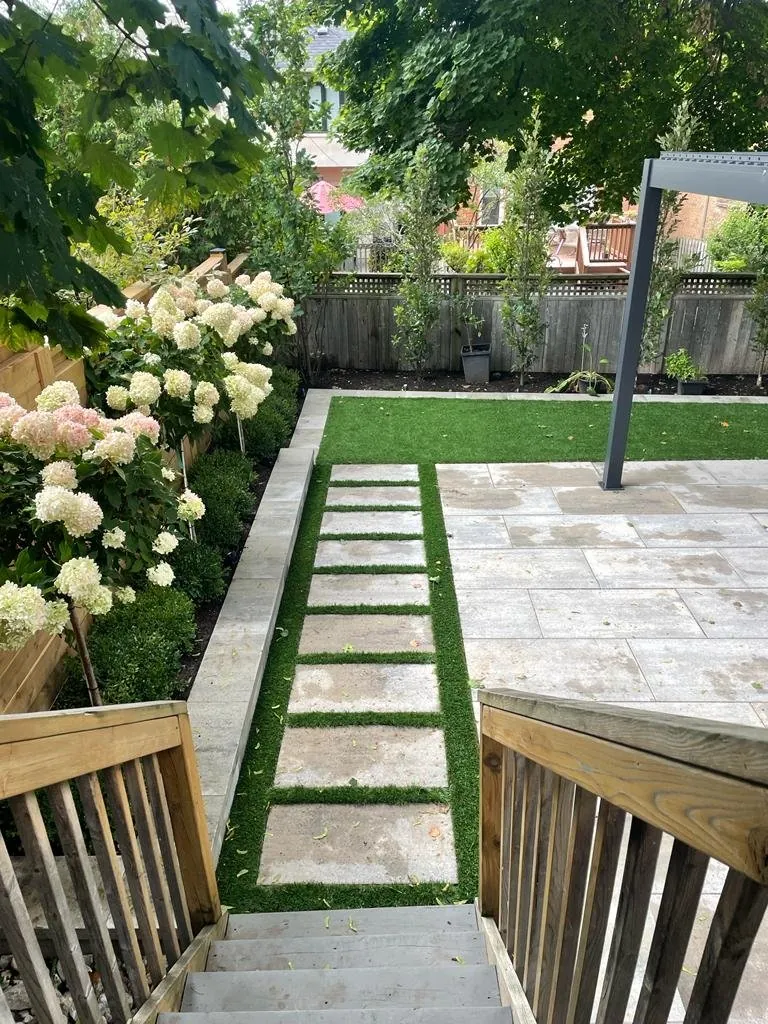 Foresthill- Latimer Avenue Landscaping ProjectForest Hill, Toronto · Landscaping & paving
 Custom Closet & Built-insToronto · Millwork
Client reviews
In our clients’ words
“They put 100% of their heart into our project.”
Read the full review
Shimon and Niso are amazing. They did a full reno of our home. I trust them implicitly!
Not only are they honest skilled contractors, with trades that are highly skilled completing work on time, and on budget - which in itself is remarkable, they also put 100% of their heart into our project - their time, attention to detail, communication - ensuring every step of the way that we are happy and satisfied.
I cannot recommend them more highly!
“You would not believe how many compliments we received from the neighbours!”
Read the full review
Country Renovation did a full renovation on the exterior of my home in the summer of 2022. Stucco, eavestroughs and downspouts, lights, front door, painting, and lots more.
Everything you would wish for in a renovation was top notch. The workers were courteous, efficient and got their jobs done quickly. They cleaned up and I didn't have to deal with any mess.
The quality of the work was excellent. You would not believe how many compliments we received from the neighbours!
The price of the work was fair, and Country Renovation honoured the quote and did not try and request more money for "additional work" outside the scope of the agreement.
The company representative kept me up-to-date on the work schedule and continually asked if we were satisfied with the work.
I have recommended Country Renovation to many of my friends.
“I can't say enough how happy we are in regards to the customer service and workmanship.”
Read the full review
We hired Country Renovation to complete our intended project. We have fully renovated our main floor and basement as they were old and out of style. We are absolutely satisfied with the way everything was handled from our initial discussion with Niso, prior to the commencement of the renovations till the last day of the project.
I can't say enough how happy we are in regards to the customer service and workmanship of Niso and the team. I was slightly nervous that the project may not be completed before the holidays as our decision process took longer than anticipated. Everything worked out great.
We highly recommend you go with Country Renovation for your next project. You won't regret it.
“Now we get lots of compliments on how nice the front of the house looks!”
Read the full review
I hired Country Renovations to fix up and landscape the front of the house which included retaining walls, new grass, interlock brick parking pad, new porch stone, stairs and railings as well as asphalt on a mutual driveway.
The work was done promptly and on time and the craftsmanship was excellent. Now we get lots of compliments on how nice the front of the house looks! Thanks to Shimon and his team for completing the project on time and on budget.
“We were extremely happy with all the work that they have done for us!”
Read the full review
I have had Country Renovation do work for us both inside and outside. In all occasions they have done the work in a punctual, efficient and professional manner.
We were extremely happy with all the work that they have done for us!
“I found that compared to other renovators the price was quite reasonable.”
Read the full review
I recently had a home renovation completed by Country Renovation. They did an excellent job. The project was completed on time, they were very responsive to all of my questions, and they did an excellent job.
I found that compared to other renovators the price was quite reasonable. I cannot say enough positive things about the company. They were always available and the quality of all of the work was excellent.
“Excellent work! Excellent service! On time & on budget!”
Read the full review
Excellent work! Excellent Service! On time & on budget! Bonus: savvy with style trends & tech APPs for door locks, timers, etc.
“Their project management skills are excellent and we completed our renovation both on time and on budget.”
Read the full review
Country Renovations are your one stop shop for great home renovations. They are very knowledgeable and have a lot of experience. Their project management skills are excellent and we completed our renovation both on time and on budget.
Additionally, it was a pleasure working with them as they are excellent to deal with. Highly recommended.
“Been working with Simon for the last 15 years, always great service.”
Read the full review
Been working with Simon for the last 15 years, always great service, attention to details and great workmanship.
“Their team is professional, responsive, and easy to work with throughout every project.”
Read the full review
Working with the team at Country Renovations has always been a great experience. Their team is professional, responsive, and easy to work with throughout every project.
“Always showed up as scheduled. Will use them again.”
Read the full review
Excellent to work with. On time and on budget. Everything well explained. Quick follow-up if there were problems. Always showed up as scheduled. Will use them again.
“He managed to stay ahead of schedule while maintaining high-quality work.”
Read the full review
Shimon is hands down one of the best we've worked with. He has a great eye for detail and managed to stay ahead of schedule while maintaining high-quality work. He made the whole project feel seamless and stress free.
The finished results are fantastic, and we've already received so many compliments. Highly recommend!
“The quality of the work, attention to detail, and professionalism exceeded our expectations.”
Read the full review
We recently had our bathroom renovated and the experience was amazing from start to finish. The quality of the work, attention to detail, and professionalism exceeded our expectations. Everything was completed on time and the final result looks absolutely beautiful.
Highly recommend to anyone looking for reliable and skilled renovation work! 10/10 Thank you again 🙏
Modello Cabinetry
The room that decides
how the house feels.
Design, Modello cabinetry, stone, lighting and trades, installed by our own team under one fixed price.
Modello Cabinetry kitchens Design your kitchen in 3D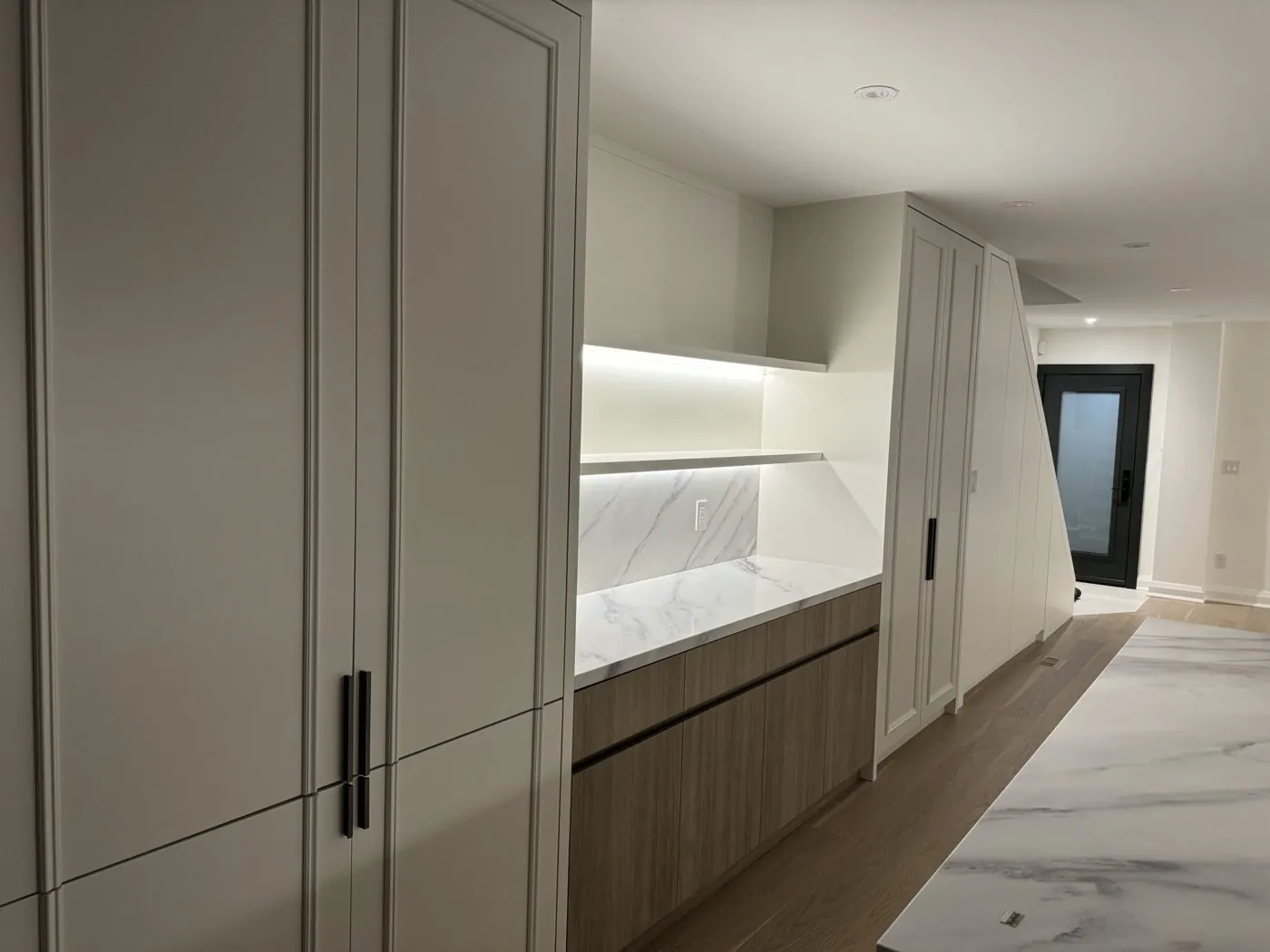
Services
Everything under one roof
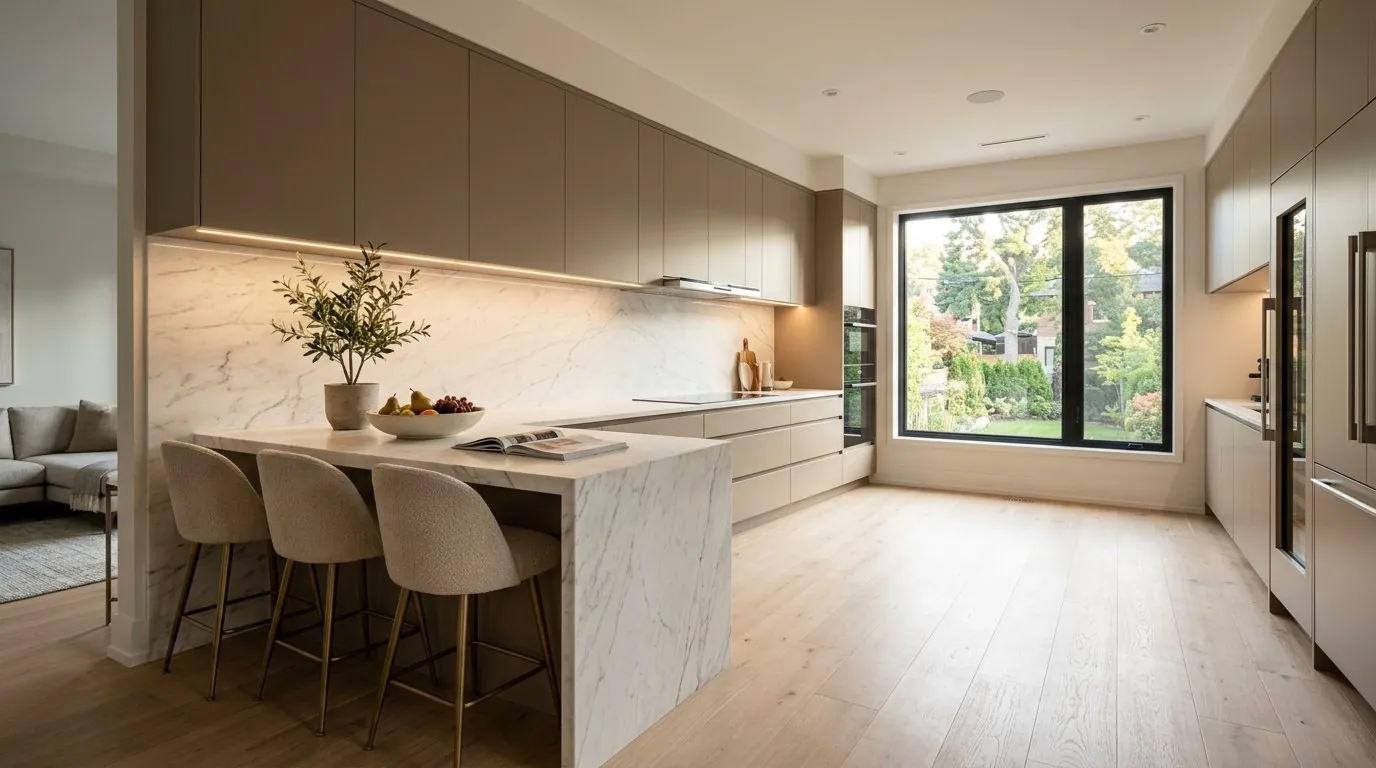 Kitchen Renovation & MillworkCustom cabinetry, stone counters and built-in millwork, designed and built by one team.
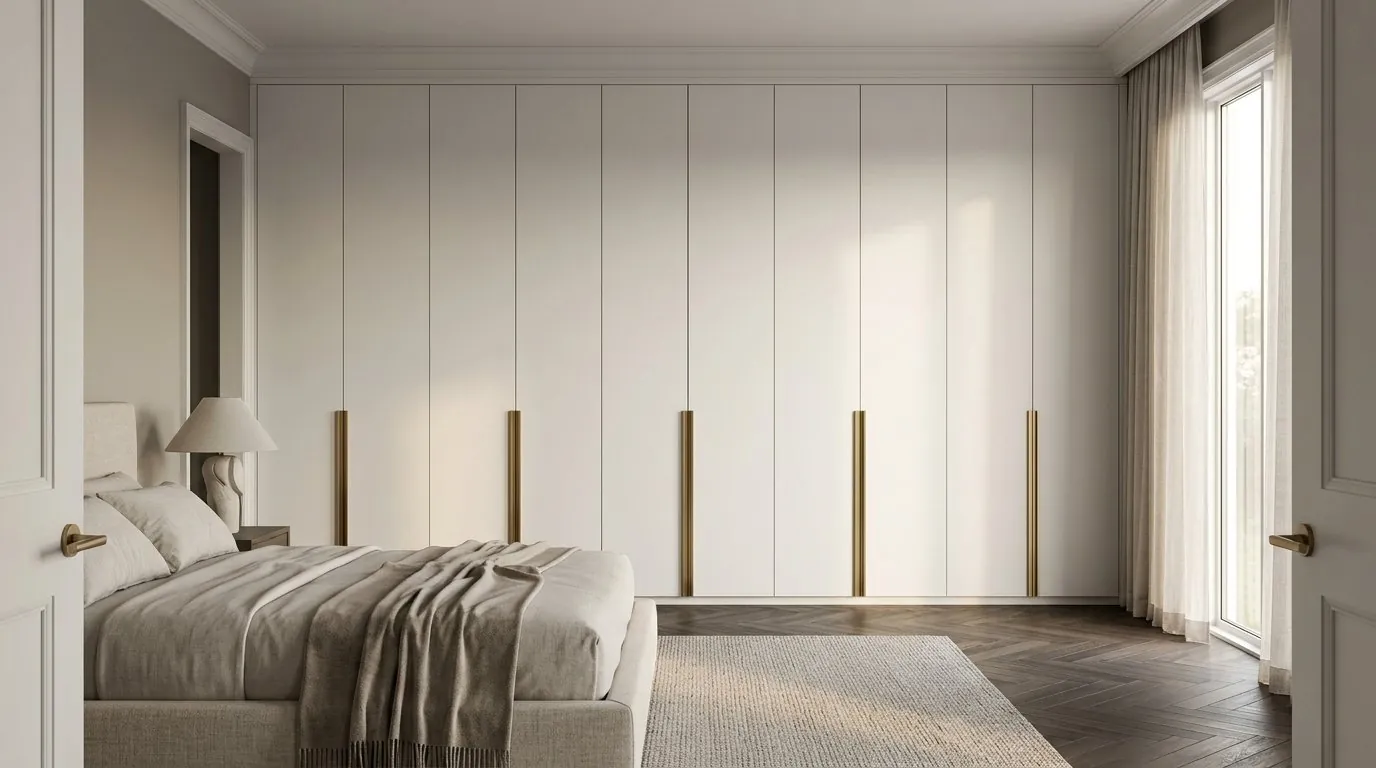 Closets & Interior DesignBuilt-in wardrobes, millwork and interior design that makes space work harder.
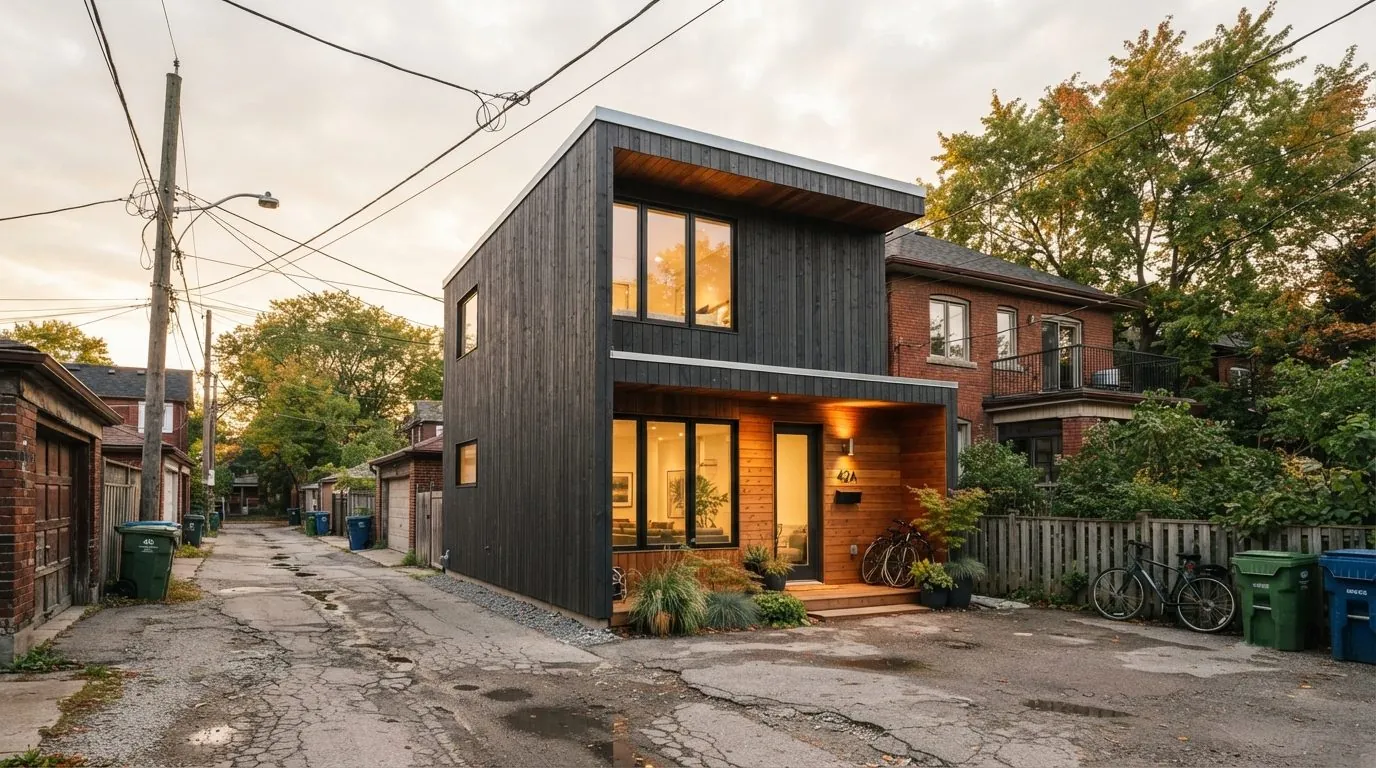 Custom Home BuildGround-up custom homes and laneway houses, architect-coordinated and fully project-managed.
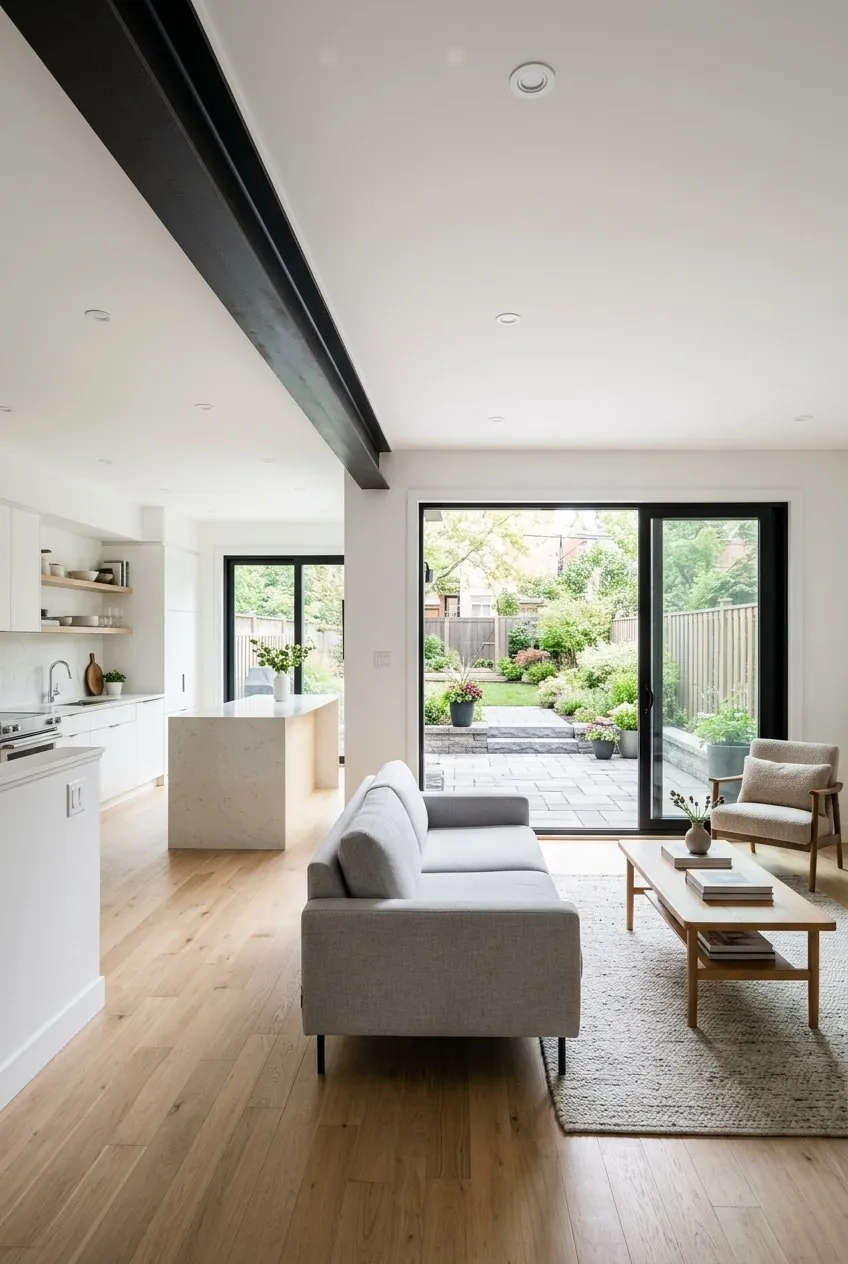 Structural Changes & ExtensionsSecond-storey and rear additions, load-bearing wall removal, underpinning and beam work, engineered and permitted.
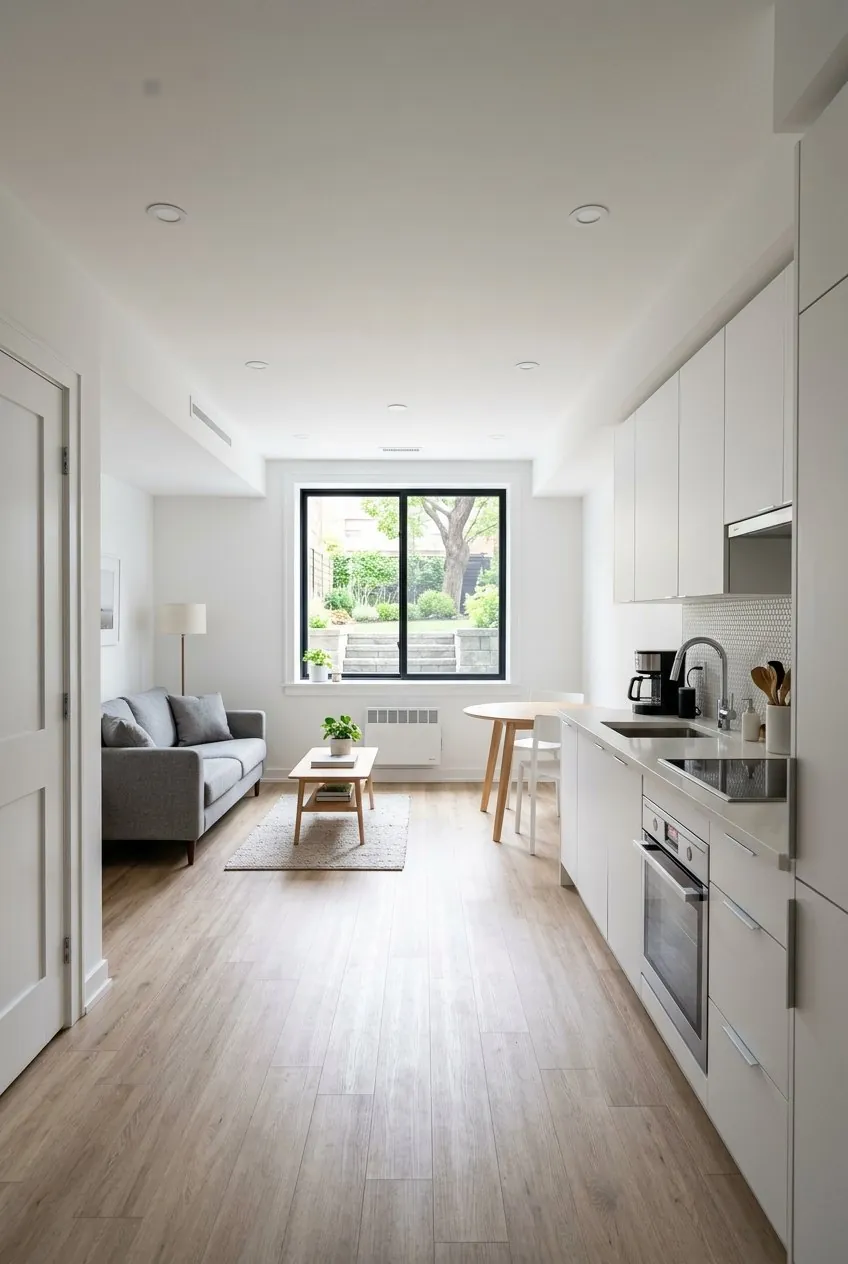 Basement & Legal SuitesLegal rental suites, family rooms and gyms with permits, egress and waterproofing handled.
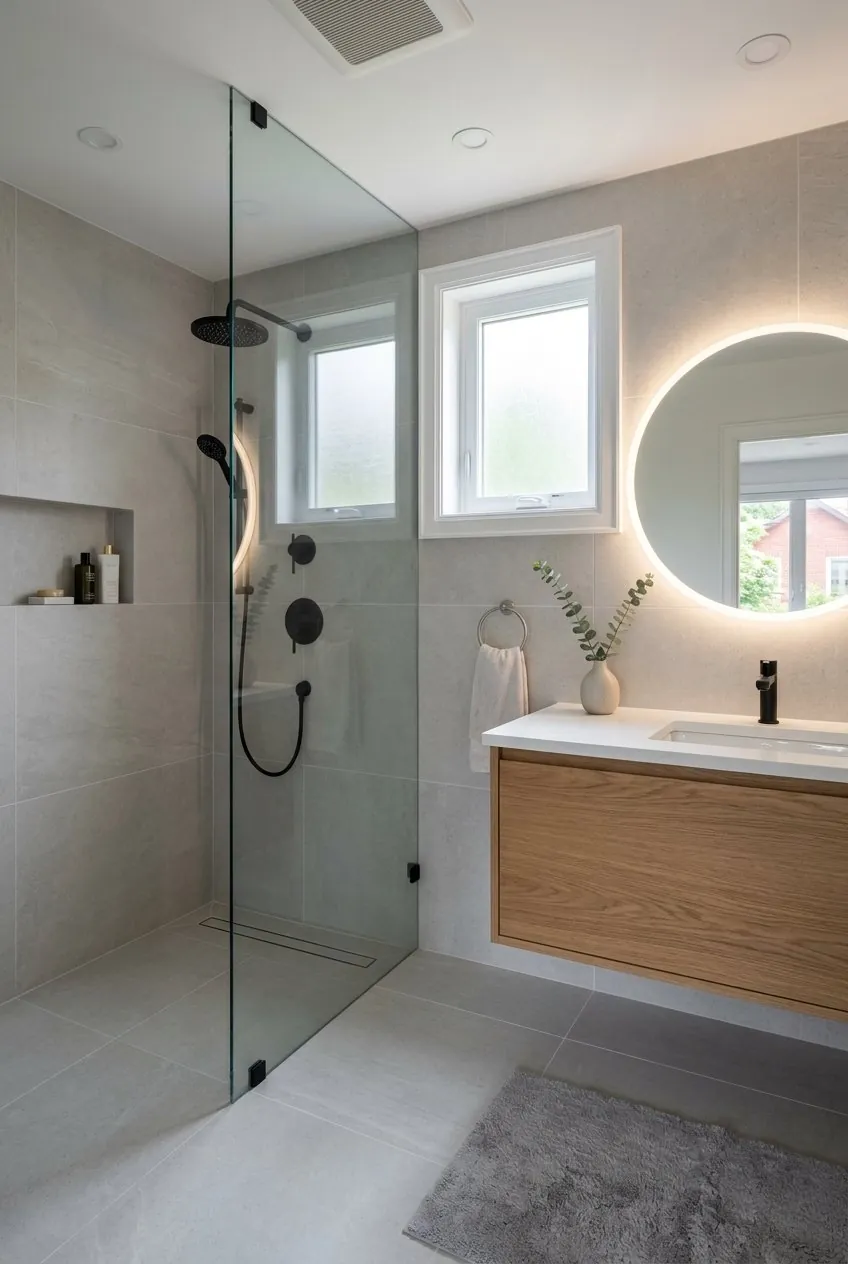 Bathroom RenovationFrameless showers, heated floors and waterproofing done right the first time.
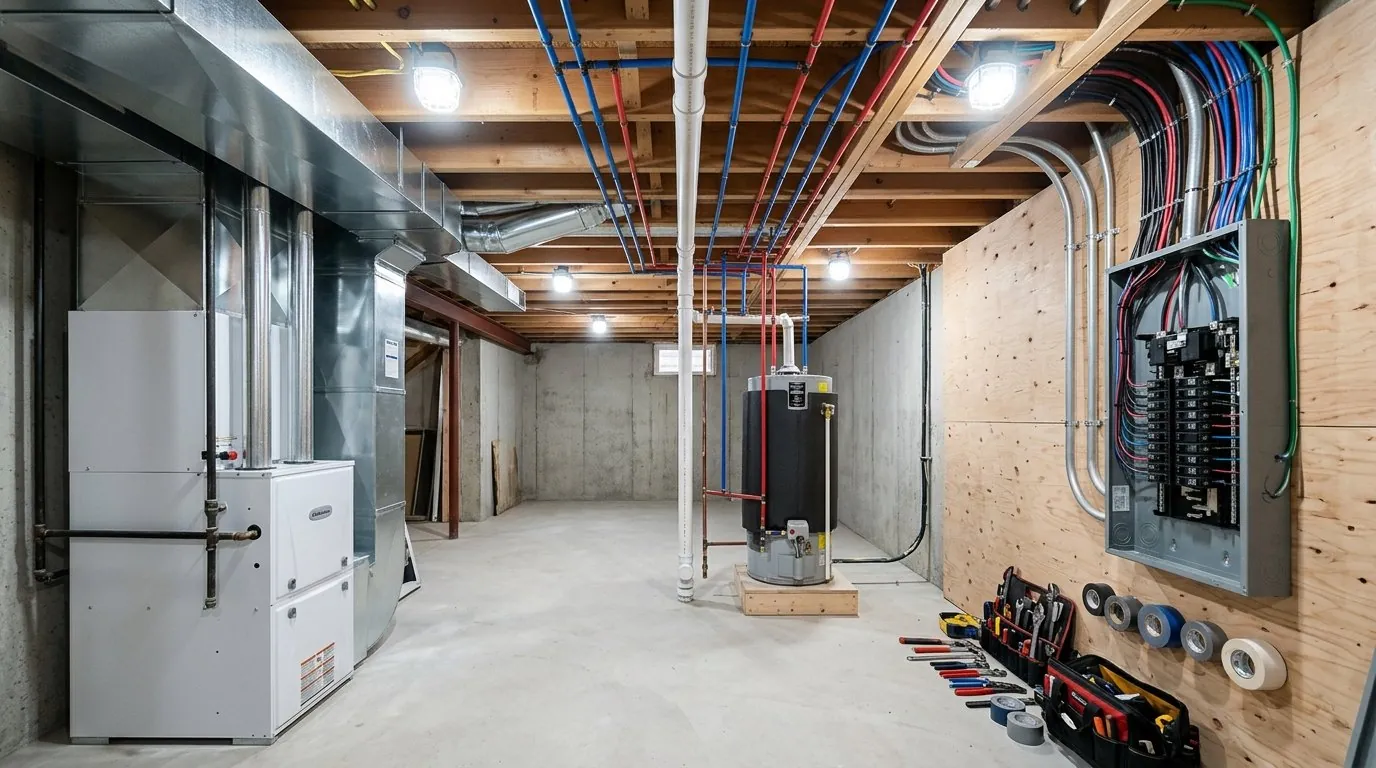 MEP (Mechanical, Electrical, Plumbing)Licensed plumbing, electrical and HVAC under one contract, from rough-in to final inspection.
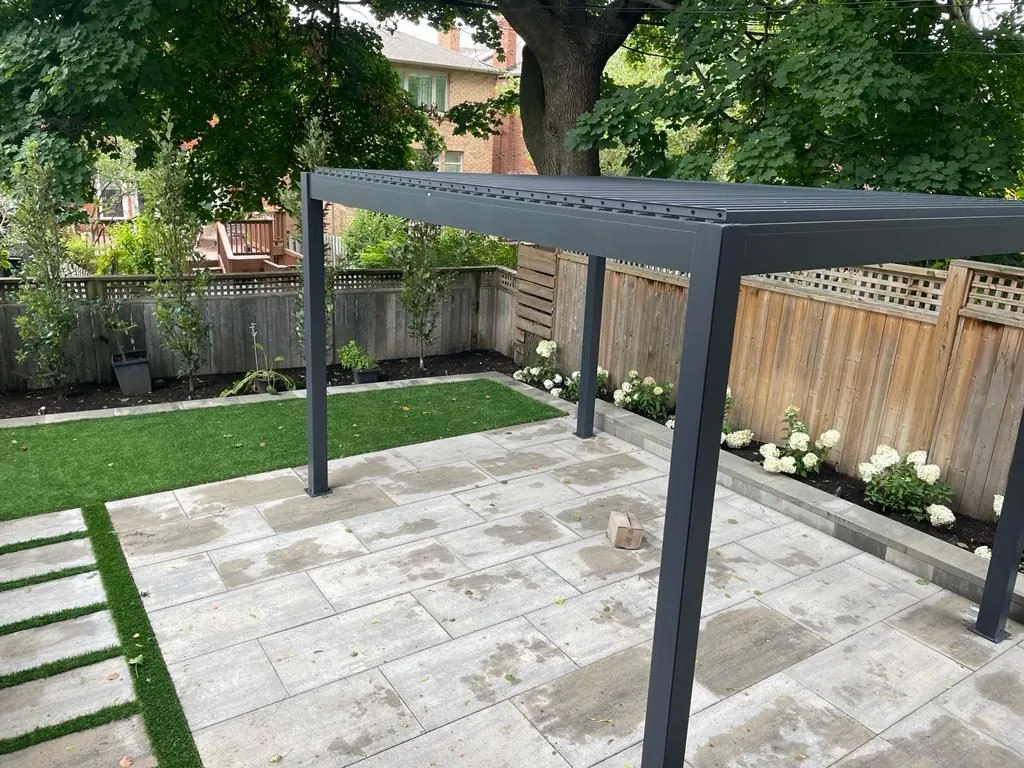 Interlock, Landscaping & DrivewaysWalkways, patios, driveways, retaining walls and pergolas built to survive Toronto winters.
Guides & costs
Straight answers on Toronto renovation costs
Service areas
Downtown TorontoForest HillNorth YorkScarboroughEtobicokeVaughanMarkhamRichmond HillMississaugaOakville
See how we work in your area