

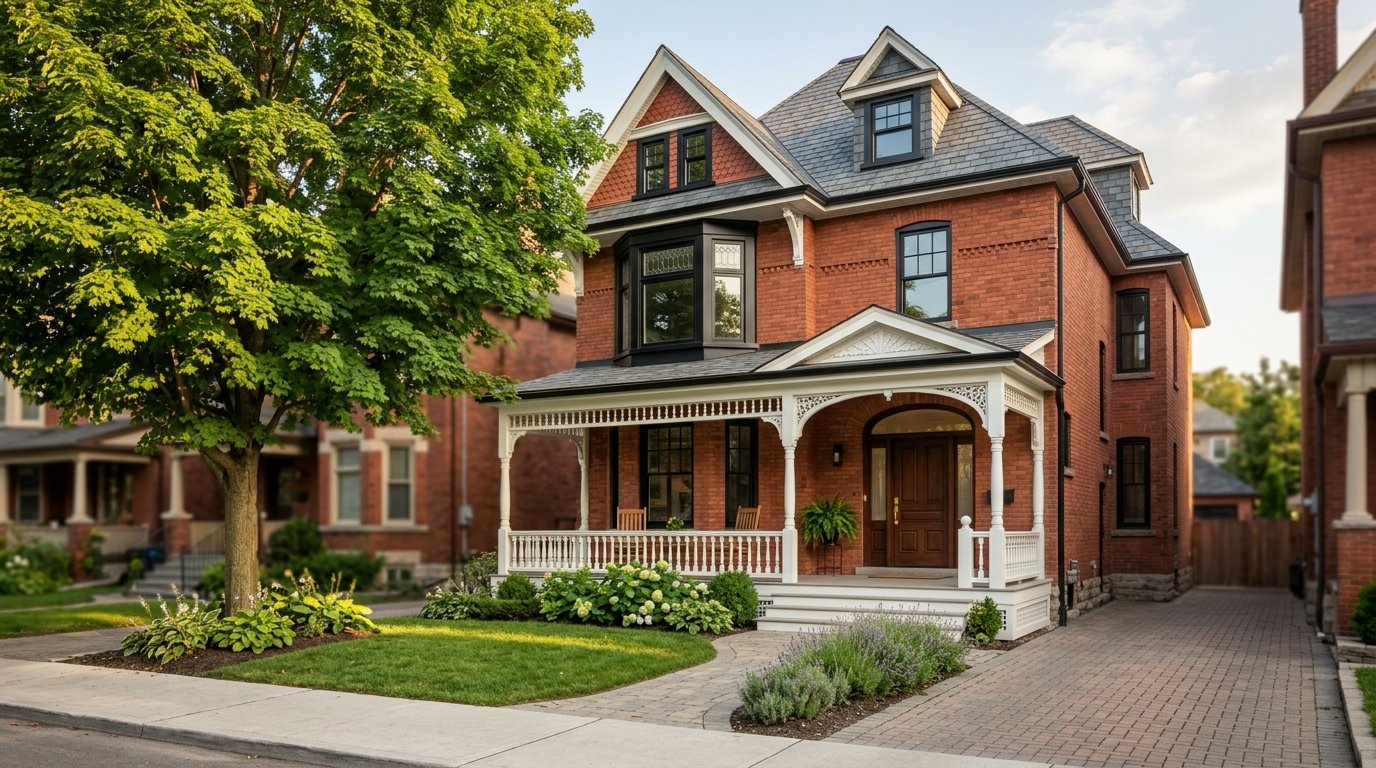
Toronto’s century homes represent some of the city’s most cherished architectural heritage. Built between the 1890s and 1920s, these properties offer character, craftsmanship, and historical significance that modern homes simply cannot replicate. However, renovating a century home in Toronto requires specialized knowledge, careful planning, and understanding of both heritage preservation requirements and modern building standards.
As we move into 2026, century home renovations in Toronto face unique challenges including updated Ontario Building Code requirements, rising material costs, and increased focus on energy efficiency. Whether you own a Victorian masterpiece in Cabbagetown, an Edwardian beauty in High Park, or a heritage property in any of the GTA communities, this comprehensive guide to century home renovation Toronto projects will help you navigate the complexities of a heritage renovation while preserving the character that makes these homes so special.
Table of Contents
- Understanding Century Homes in Toronto and the GTA
- 2026 Cost Considerations for Century Home Renovation Toronto Projects
- Essential Systems Upgrades for Century Homes
- Structural Assessment and Foundation Issues
- Preserving Heritage Character During Renovations
- Permit Requirements and Approval Processes
- Energy Efficiency Improvements
- Working with Specialized Century Home Renovation Toronto Contractors
- Timeline Considerations for 2026 Projects
- Common Challenges and Solutions in Century Home Renovation Toronto
- Regional Considerations Across the GTA
- Financing Century Home Renovations
- Frequently Asked Questions
- Conclusion: Preserving Toronto’s Heritage for Future Generations
Before diving into a century home renovation Toronto project, it helps to understand what makes these heritage properties unique.
Understanding Century Homes in Toronto and the GTA
Century homes are typically defined as residential properties built 100 or more years ago. In Toronto and surrounding areas like Scarborough, Markham, Richmond Hill, Vaughan, Mississauga, Brampton, Oakville, North York, and Etobicoke, most century homes date from the late Victorian era through the early 1920s.
These homes were built using construction methods and materials that differ significantly from modern standards. Common characteristics include:
- Solid masonry exterior walls (brick, stone, or a combination)
- Lathe and plaster interior walls
- Knob-and-tube electrical systems
- Cast iron or galvanized steel plumbing
- Single-pane windows with original wood frames
- Hardwood flooring throughout
- High ceilings (often 9-12 feet)
- Original millwork and architectural details
Heritage Designations and Regulations
Many century homes in Toronto fall under heritage protection. The City of Toronto maintains a Heritage Register with over 9,000 properties, including individual designations and Heritage Conservation Districts (HCDs). If your century home is designated or listed, you’ll need Heritage Permit approval for exterior alterations.
Key heritage areas with century homes include:
- Cabbagetown
- The Annex
- Riverdale
- High Park
- Forest Hill
- Rosedale
- The Beach
Even properties not formally designated may require careful consideration of heritage value during renovation planning.
2026 Cost Considerations for Century Home Renovation Toronto Projects
Before budgeting your century home renovation Toronto project, use our Toronto Renovation Cost Calculator to compare good, better, and best pricing tiers for 2026.
Century home renovations typically cost 20-40% more than comparable work on modern homes due to structural complexities, material matching requirements, and the need for specialized trades. Here are realistic 2026 cost ranges for Toronto and GTA projects:
Complete Century Home Renovations
- Full gut renovation: $400-$650 per square foot
- Comprehensive restoration: $350-$500 per square foot
- Moderate renovation with heritage preservation: $250-$400 per square foot
Specific System Upgrades
- Electrical system replacement (knob-and-tube removal): $15,000-$35,000
- Plumbing system modernization: $20,000-$45,000
- HVAC installation with ductwork: $25,000-$50,000
- Insulation and air sealing: $8,000-$18,000
- Window restoration vs. replacement: $800-$2,500 per window (restoration), $1,200-$4,000 per window (heritage-appropriate replacement)
Structural and Foundation Work
- Foundation underpinning: $300-$500 per linear foot
- Structural beam reinforcement: $5,000-$15,000 per beam
- Floor joist repair/replacement: $25-$75 per square foot
- Chimney restoration: $8,000-$25,000
These costs reflect 2026 pricing including materials, labour, permits, and professional fees in the Toronto market.
A successful century home renovation Toronto homeowners can rely on starts with modernizing the core systems that keep the property safe and efficient.
Essential Systems Upgrades for Century Homes
Electrical System Modernization
Most century homes were built with knob-and-tube wiring, which is now considered obsolete and potentially dangerous. Insurance companies often require electrical updates before providing coverage.
2026 Requirements:
- Complete removal of knob-and-tube wiring
- Installation of modern electrical panel (200-amp service minimum)
- GFCI protection in bathrooms, kitchens, and outdoor areas
- Arc-fault circuit interrupters (AFCIs) in living areas
- Adequate outlets per Ontario Electrical Safety Code
The process involves opening walls to run new wiring, which presents opportunities to upgrade insulation and address other hidden issues simultaneously.
Plumbing System Upgrades
Original plumbing in century homes often includes cast iron drain lines and galvanized supply pipes, both prone to corrosion and blockages after 100+ years.
Common upgrades include:
- Replacing cast iron drains with PVC or ABS
- Installing copper or PEX supply lines
- Updating fixtures to water-efficient models
- Adding basement bathroom rough-ins
- Installing proper venting systems
HVAC Considerations
Most century homes were designed for radiator heating systems, often without central air conditioning. Modern HVAC installation requires careful planning to preserve architectural features while ensuring adequate comfort and efficiency.
Options include:
- High-velocity mini-duct systems (minimal wall disruption)
- Ductless mini-split systems
- Traditional ducted systems with creative routing
- Hybrid systems combining radiant heat with central cooling
Every century home renovation Toronto project should begin with a thorough structural assessment to uncover hidden issues early.
Structural Assessment and Foundation Issues
Century homes often experience foundation settlement, structural movement, and deterioration of load-bearing elements. A thorough structural assessment by a qualified engineer is essential before beginning major renovations.
Common Structural Issues
Foundation Problems:
- Stone or brick foundations without proper footings
- Settlement causing cracks or movement
- Water infiltration and moisture issues
- Inadequate bearing for floor joists
Framing Concerns:
- Undersized floor joists by modern standards
- Notched or damaged structural members
- Inadequate support for modern loads
- Previous renovations that compromised structural integrity
Foundation Solutions
Underpinning is often necessary to meet modern building standards and address settlement issues. This involves excavating beneath existing foundations and installing new concrete footings that extend below the frost line.
Waterproofing typically includes:
- Exterior waterproof membrane application
- Installation of proper drainage systems
- Interior or exterior French drains
- Sump pump installation where required
Preserving original character is one of the most rewarding aspects of any century home renovation Toronto homeowners take on.
Preserving Heritage Character During Renovations
Many homeowners combine heritage preservation with modern updates such as an open concept kitchen renovation in Toronto, blending century-home charm with contemporary living.
Successful century home renovations balance modern functionality with heritage preservation. This requires understanding which elements define the home’s character and which can be modified without compromising historical integrity.
Elements to Preserve
Exterior Features:
- Original brick or stone masonry
- Window proportions and trim details
- Decorative brackets and cornices
- Front porches and architectural elements
- Roofline and chimney configurations
Interior Features:
- Original hardwood floors
- Decorative plaster and crown molding
- Stained glass windows
- Built-in cabinetry and millwork
- Pocket doors and hardware
- Staircase and newel posts
Appropriate Modifications
Kitchen and Bathroom Updates: Modern kitchens and bathrooms can be installed while respecting heritage character through:
- Cabinet styles that complement the period
- Appropriate color palettes and materials
- Maintaining room proportions where possible
- Using period-appropriate fixtures and hardware
Open Concept Considerations: While popular in modern renovations, removing walls in century homes requires careful consideration:
- Identify load-bearing vs. partition walls
- Consider impact on heritage character
- Evaluate structural implications
- Assess permit requirements for heritage properties
Navigating permits correctly keeps your century home renovation Toronto timeline on track and avoids costly delays.
Permit Requirements and Approval Processes
For heritage-designated properties, review the City of Toronto Heritage Preservation Services guidelines before starting any century home renovation Toronto project.
Century home renovations in Toronto require multiple permits and approvals, particularly for heritage properties.
Building Permits
All major renovations require Building Permits from the City of Toronto. The application process includes:
- Detailed drawings by qualified professionals
- Structural engineering reports when required
- Compliance with Ontario Building Code
- Energy efficiency calculations
- Zoning compliance verification
Timeline: 6-12 weeks for permit approval Cost: $1,500-$5,000+ depending on project scope
Heritage Permits
Properties on the Heritage Register require additional approval:
- Heritage Permit Application with detailed plans
- Heritage Impact Assessment (for major changes)
- Conservation Plan (for extensive renovations)
- Review by Heritage Preservation Services
Timeline: 8-16 weeks additional processing Cost: $500-$2,000 plus consultant fees
Other Required Permits
- Electrical Safety Authority (ESA) permits for electrical work
- Technical Standards and Safety Authority (TSSA) permits for gas work
- Plumbing permits through the city
- Tree permits if mature trees are affected
Improving energy efficiency is a top priority in modern century home renovation Toronto projects, helping reduce utility costs without compromising heritage value.
Energy Efficiency Improvements
Improving energy efficiency in century homes requires balancing modern performance standards with heritage preservation and building science principles.
Insulation Strategies
Century homes typically have little to no insulation. Effective strategies include:
Exterior Walls:
- Blown-in cellulose or mineral wool insulation
- Interior insulation with vapor barrier consideration
- Exterior insulation (where heritage guidelines permit)
Basement and Attic:
- Spray foam or batt insulation in basement
- Blown-in attic insulation to R-50 or higher
- Air sealing to reduce drafts
Window Considerations
Original windows in century homes often have heritage value but poor energy performance. Options include:
Window Restoration:
- Weatherstripping and glazing compound renewal
- Storm window installation
- Interior window films or coverings
- Cost: $800-$2,500 per window
Heritage-Appropriate Replacement:
- Wood windows matching original profiles
- High-performance glazing with heritage appearance
- Proper installation with weather barriers
- Cost: $1,200-$4,000 per window
Working with Specialized Century Home Renovation Toronto Contractors
Century home renovations require contractors with specific experience and expertise. Key qualifications include:
Essential Contractor Qualifications
- Experience with heritage properties
- Understanding of historical construction methods
- Knowledge of heritage permit processes
- Relationships with specialized trades (plasterers, millwork craftspeople, masonry restoration specialists)
- Proper licensing and insurance
- HCRA (Home Construction Regulatory Authority) registration
Specialized Trades
Masonry Restoration:
- Repointing with appropriate mortar mixes
- Stone or brick repair and replacement
- Chimney rebuilding and restoration
Millwork and Carpentry:
- Restoration of original trim and moldings
- Recreation of missing architectural elements
- Custom cabinetry in heritage-appropriate styles
Plastering:
- Repair of lathe and plaster walls
- Period-appropriate finishing techniques
- Integration with modern drywall where necessary
Understanding realistic timelines is essential when planning a century home renovation Toronto schedule for 2026.
Timeline Considerations for 2026 Projects
Century home renovations typically take longer than modern home projects due to:
- Permit approval processes
- Discovery of unexpected conditions
- Custom millwork and specialized materials
- Heritage review requirements
- Availability of specialized trades
Typical Project Timelines
Complete Renovation:
- Planning and permits: 3-6 months
- Construction: 8-18 months
- Total project duration: 12-24 months
Major System Updates:
- Planning and permits: 2-4 months
- Construction: 3-8 months
- Total project duration: 6-12 months
Kitchen/Bathroom Renovation:
- Planning and permits: 1-3 months
- Construction: 2-6 months
- Total project duration: 4-9 months
Common Challenges and Solutions in Century Home Renovation Toronto
Hidden Conditions
Century homes often reveal unexpected conditions once renovation begins:
- Additional structural issues
- Asbestos or lead-based materials
- Concealed damage or previous poor renovations
- Utilities in unexpected locations
Solution: Include contingency budgets (15-25% of total project cost) and flexible timelines.
Material Matching
Finding materials that match original elements can be challenging and expensive:
- Custom millwork recreation
- Period-appropriate hardware
- Matching brick or stone for repairs
- Suitable replacement materials for discontinued products
Solution: Work with specialized suppliers and craftspeople experienced in heritage restoration.
Code Compliance
Bringing century homes up to current building codes while preserving heritage character requires creative solutions:
- Fire separation requirements
- Stair riser and tread dimensions
- Ceiling height requirements
- Accessibility considerations
Solution: Engage experienced professionals early in the planning process to identify code requirements and develop compliant solutions.
Each municipality approaches a century home renovation Toronto and GTA homeowners undertake with slightly different rules and approval processes.
Regional Considerations Across the GTA
Different municipalities within the GTA have varying approaches to heritage preservation and building regulations:
Toronto
- Extensive heritage protection programs
- Well-defined heritage permit processes
- Numerous Heritage Conservation Districts
- Strict requirements for designated properties
York Region (Markham, Richmond Hill, Vaughan)
- Growing heritage awareness programs
- Municipal heritage committees
- Varying levels of heritage protection
- Generally streamlined permit processes
Peel Region (Mississauga, Brampton)
- Emerging heritage preservation initiatives
- Focus on downtown heritage areas
- Municipal heritage registers
- Increasing heritage designation activity
Halton Region (Oakville)
- Strong heritage preservation programs
- Well-established heritage districts
- Detailed heritage guidelines
- Active heritage advisory committees
Financing a century home renovation Toronto budget often requires a combination of traditional and specialized lending options.
Financing Century Home Renovations
Century home renovations often require significant investment. Financing options in 2026 include:
Traditional Financing
- Home equity lines of credit (HELOC)
- Personal loans for smaller projects
- Cash-out refinancing
- Construction-to-permanent loans
Government Programs
- Canada Greener Homes Loan Program (up to $40,000 for energy improvements)
- Provincial heritage tax credits (where applicable)
- Municipal heritage grant programs
- Energy efficiency rebates
Specialized Lenders
- Renovation-specific loan products
- Portfolio lenders familiar with heritage properties
- Alternative lending options for unique situations
Below are answers to the most common questions about century home renovation Toronto projects in 2026.
Frequently Asked Questions
How long does a complete century home renovation take in Toronto?
A complete century home renovation typically takes 12-24 months from initial planning to completion. This includes 3-6 months for planning and permit approval (longer for heritage properties), followed by 8-18 months of construction. Timeline factors include project scope, heritage requirements, permit complexity, availability of specialized trades, and discovery of unexpected conditions. Weather can also affect timeline, particularly for exterior work and foundation projects.
What permits do I need for renovating a heritage property in Toronto?
Heritage properties in Toronto require both standard building permits and heritage permits. You’ll need a Building Permit for structural, electrical, plumbing, and HVAC work (6-12 weeks processing time, $1,500-$5,000+ cost). Heritage properties also require a Heritage Permit for exterior changes (8-16 weeks additional processing, $500-$2,000 plus consultant fees). Major renovations may require Heritage Impact Assessments and Conservation Plans. Other permits include ESA (electrical), TSSA (gas), plumbing, and tree removal permits as needed.
How much should I budget for unexpected issues in a century home renovation?
Plan for a contingency budget of 15-25% of your total project cost for century home renovations. Common unexpected discoveries include additional structural problems, outdated electrical or plumbing systems, asbestos or lead materials, previous poor renovations, concealed water damage, and foundation issues. A 2026 example: for a $200,000 renovation, budget an additional $30,000-$50,000 for contingencies. Thorough pre-renovation inspections can help identify some issues early but cannot eliminate all surprises.
Can I make my century home more energy efficient without losing its heritage character?
Yes, century homes can be significantly improved for energy efficiency while preserving heritage character. Effective strategies include adding insulation to walls and attics using blown-in materials, restoring original windows with weatherstripping and storm windows rather than replacement, upgrading to high-efficiency HVAC systems with minimal visual impact, and air sealing to reduce drafts. Focus on improvements that aren’t visible from the exterior and work with heritage-experienced contractors who understand appropriate materials and methods.
What’s the difference between window restoration and replacement for heritage homes?
Window restoration maintains original frames and hardware while improving performance through weatherstripping, glazing compound renewal, and storm window addition. Costs range $800-$2,500 per window in 2026. Window replacement involves installing new windows designed to match heritage appearance with modern performance features, costing $1,200-$4,000 per window. Restoration preserves authentic heritage character and is often required for designated properties, while replacement offers better energy performance and lower long-term maintenance. Heritage properties may have restrictions on replacement options.
How do I find contractors experienced with century home renovations in Toronto?
Look for contractors with specific century home experience and proper credentials. Essential qualifications include HCRA registration, heritage property portfolio, knowledge of heritage permit processes, relationships with specialized trades (plasterers, millwork craftspeople, masonry specialists), proper licensing and insurance, and positive references from heritage property owners. Request examples of similar projects, verify licensing through HCRA, check references thoroughly, and ensure they understand heritage preservation requirements. Country Renovations Inc. has extensive experience with century homes throughout Toronto and the GTA since 2014.
Conclusion: Preserving Toronto’s Heritage for Future Generations
Century home renovation in Toronto represents a unique opportunity to preserve architectural heritage while creating comfortable, efficient modern living spaces. Success requires careful planning, appropriate expertise, and respect for the historical significance of these remarkable properties.
The investment in properly renovating a century home extends far beyond financial considerations. These projects preserve irreplaceable pieces of Toronto’s architectural heritage, contribute to neighborhood character, and create homes with unmatched charm and craftsmanship. With proper planning, experienced contractors, and respect for heritage values, your century home renovation can honor the past while embracing the future.
Whether you’re in downtown Toronto, Scarborough, Markham, Richmond Hill, Vaughan, Mississauga, Brampton, Oakville, North York, or Etobicoke, Country Renovations Inc. brings over a decade of experience to century home renovations throughout the GTA. Our team understands the unique challenges and opportunities these properties present, from heritage permit navigation to specialized restoration techniques.
Ready to begin your century home renovation journey? Contact Country Renovations for a free estimate and discover how we can help transform your heritage property while preserving its timeless character for generations to come.
Planning a century home renovation Toronto project in 2026? Partnering with experienced heritage renovation specialists ensures your home retains its historic character while meeting modern building standards.